Surface Treatment and Corrosion Protection: Plating, Coating, and Passivation Technologies for Hydraulic Quick Couplings
Introduction
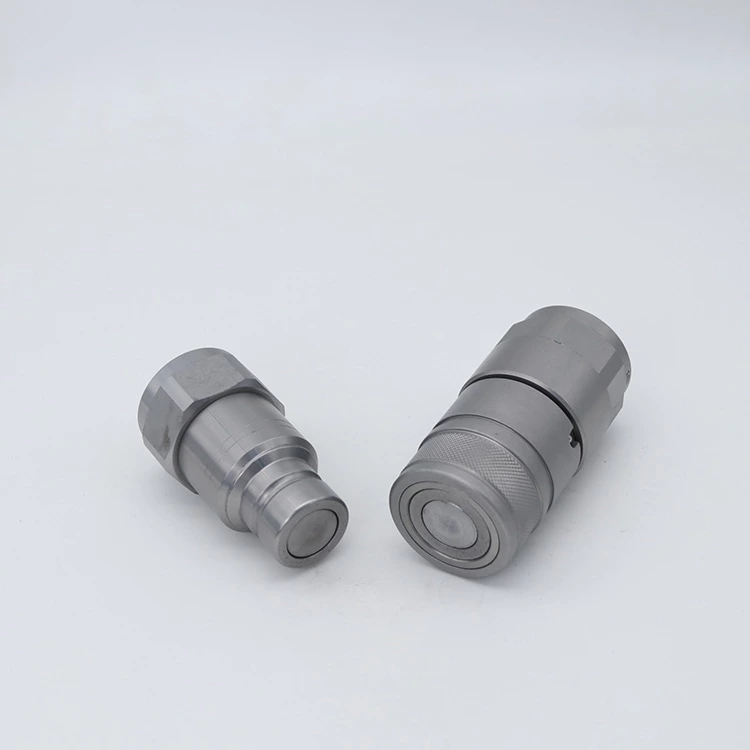
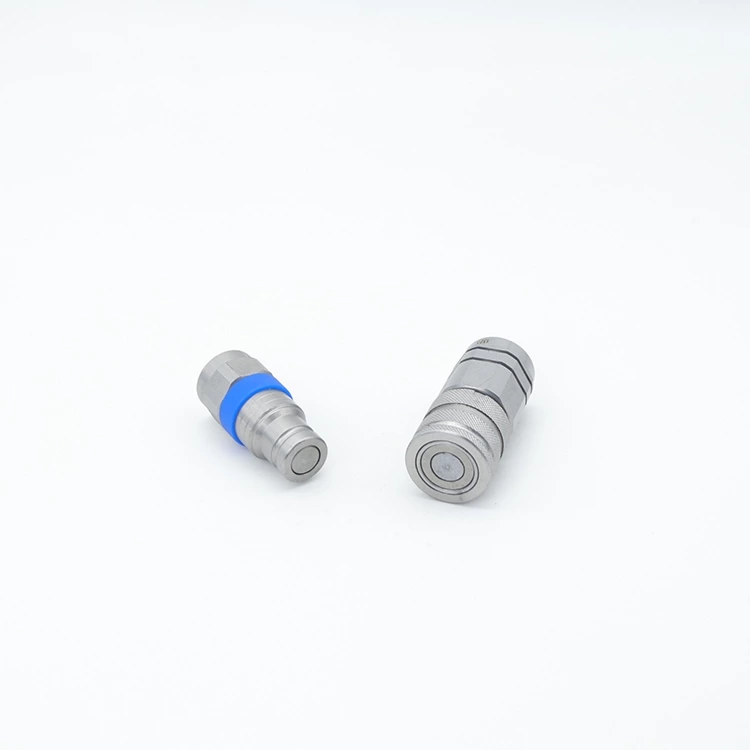
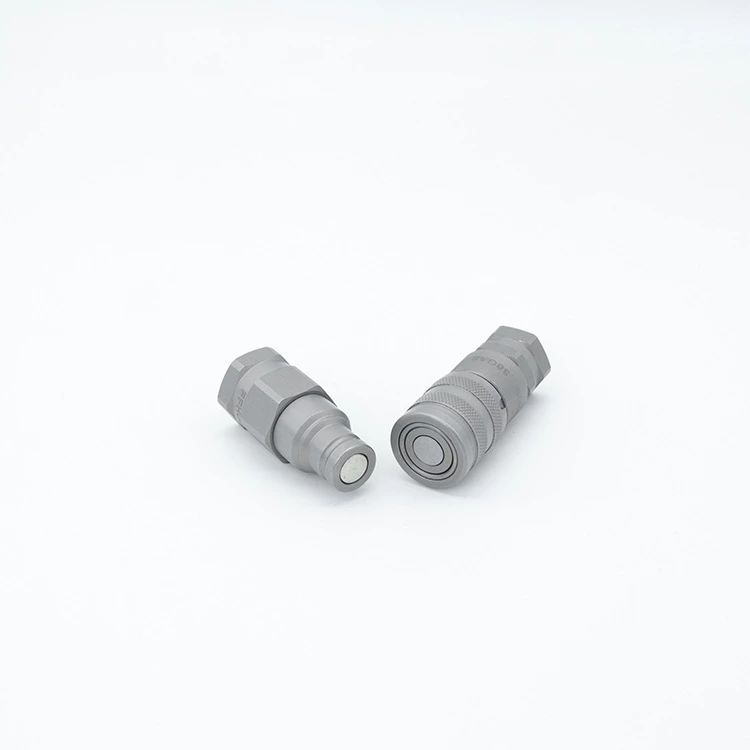
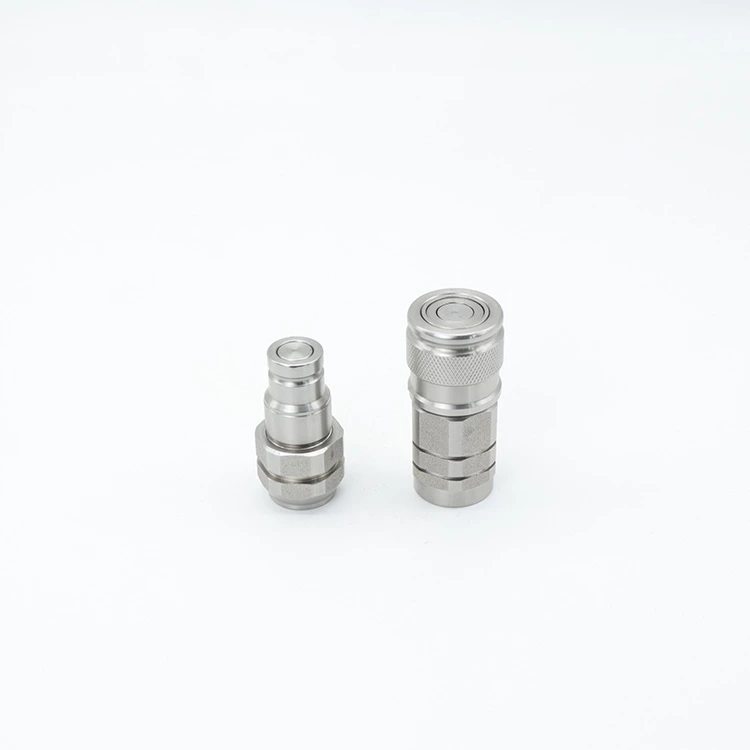
A hydraulic quick coupling can be machined to perfection and heat-treated to exact hardness — yet fail in service within months if its surface protection is inadequate. In mining, marine, agricultural, and outdoor construction environments, corrosion is the number-one enemy of coupling longevity. This article examines the surface treatment processes that protect Feiman's quick couplings, hydraulic valves, and connectors from rust, galling, and chemical attack.
Why Surface Treatment Matters
Carbon steel, the most common coupling body material, rusts rapidly when exposed to moisture, salt, and industrial chemicals. Even stainless steel can suffer pitting corrosion in chloride-rich environments. Surface treatment serves three functions: it creates a barrier against corrosive media, it improves wear resistance on sliding and threading surfaces, and it provides a visual quality signal that buyers and inspectors rely on.
Zinc Plating: The Workhorse
Zinc plating remains the most widely used finish for carbon-steel couplings. Modern shops use alkaline non-cyanide zinc processes, which eliminate toxic cyanide baths while delivering uniform coverage on complex geometries like internal valve seats and ball grooves. A typical zinc layer measures 8–12 µm thick. The plated zinc acts as a sacrificial anode — it corrodes preferentially, protecting the underlying steel even if the coating is scratched.
Zinc-Nickel Alloy: Premium Protection
For couplings destined for mining, marine, or off-highway equipment, zinc-nickel alloy plating (Zn-Ni, 12–15% nickel content) delivers dramatically better performance. Zn-Ni coatings withstand 500–1,000 hours of neutral salt spray per ASTM B117 without red rust — roughly five times longer than plain zinc. The alloy also offers superior hardness (400–500 HV), reducing galling on threaded connections during repeated assembly and disassembly.
Trivalent Chromium Passivation
Every zinc or Zn-Ni plating layer receives a passivation topcoat. Historically, hexavalent chromium (Cr6+) passivation was standard, but REACH and RoHS regulations have driven the industry to trivalent chromium (Cr3+) alternatives. Cr3+ passivation delivers comparable corrosion resistance while eliminating the carcinogenic and environmental hazards of Cr6+. Feiman uses only Cr3+ passivation on all plated products, ensuring compliance with EU, North American, and Australian chemical regulations.
Stainless Steel Passivation
Stainless steel couplings (304, 316L) require a different treatment: acid passivation per ASTM A967 to remove free iron particles embedded during machining. Citric-acid passivation is increasingly preferred over nitric-acid methods for its safer handling and lower environmental impact. Proper passivation restores the chromium oxide passive layer, giving stainless couplings their characteristic resistance to pitting and crevice corrosion in chloride environments.
Verification and Testing
Coating quality is verified through three methods: thickness measurement (X-ray fluorescence or magnetic induction), adhesion testing (tape or bend test), and salt spray exposure per ASTM B117. Feiman's quality plan specifies minimum coating thickness on critical surfaces and requires salt spray validation for every new plating bath setup or material change.
Conclusion
Surface treatment is not a cosmetic afterthought — it is an engineered barrier that determines how long a coupling survives in the field. Feiman Fluid Technology applies alkaline zinc, zinc-nickel, Cr3+ passivation, and stainless steel passivation technologies under documented process controls and ISO 9001:2000 quality management. The result is corrosion protection that meets the demands of mining, construction, marine, and agricultural customers across six continents.
Contact:
Tel: +86 15369362101
Email: director@feimanfluid.com / manager@feimanfluid.com
Website: www.feimanfluid.com
Copyright belongs to Hebei Feiman Machinery Parts Co., Ltd. Please indicate the source when reproducing.