Pressure Test Equipment: A Technical Guide to Test Couplings, Test Kits, and Hydraulic Diagnostics
Pressure Test Equipment: A Technical Guide to Test Couplings, Test Kits, and Hydraulic Diagnostics
Published: August 24, 2026 Article Type: Product Knowledge Keywords: Pressure Test Kit, Test Coupling, Test Hose, Pressure Gauge, Hydraulic Diagnostic, Feiman Fluid Technology
Introduction
A hydraulic system is only as reliable as the diagnostic tools used to verify it. Pressure test equipment — including test couplings, test hoses, pressure gauges, and end fittings — allows service technicians and quality inspectors to measure system pressure quickly, safely, and without disconnecting working hydraulic lines. This article explains the components, operating principles, and selection logic behind a professional pressure test kit.
What Is a Pressure Test Kit?
A pressure test kit is a portable diagnostic set used to measure hydraulic pressure at specific points in a system. A typical kit includes: 3–5 pressure gauges covering different ranges (low, medium, high), a set of color-coded test hoses, a range of test couplings that adapt to common thread standards, and tee connectors or quick-connect adapters. Kits let the technician tap into a live circuit, read the pressure, and identify whether a pump, valve, or actuator is performing to specification.
Test Couplings: The Critical Interface
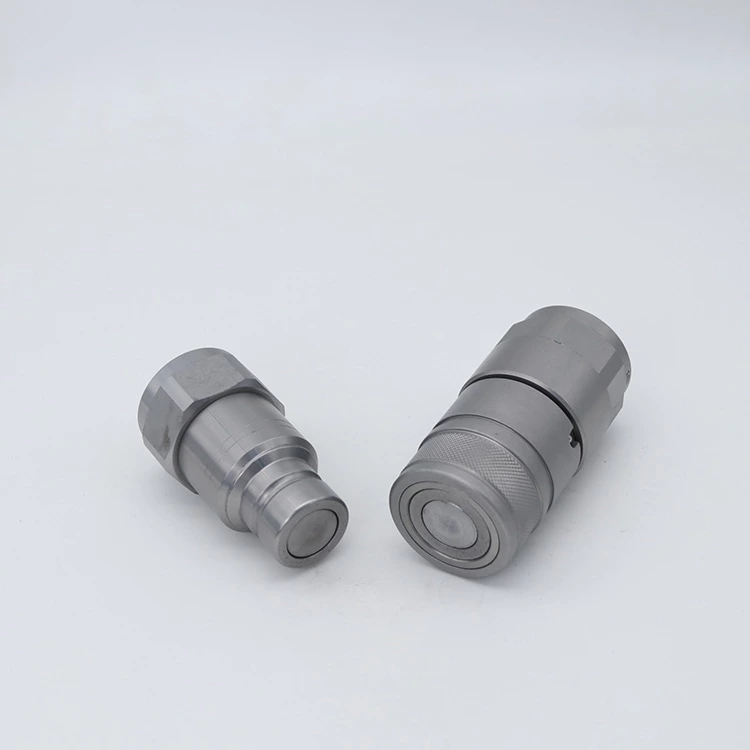
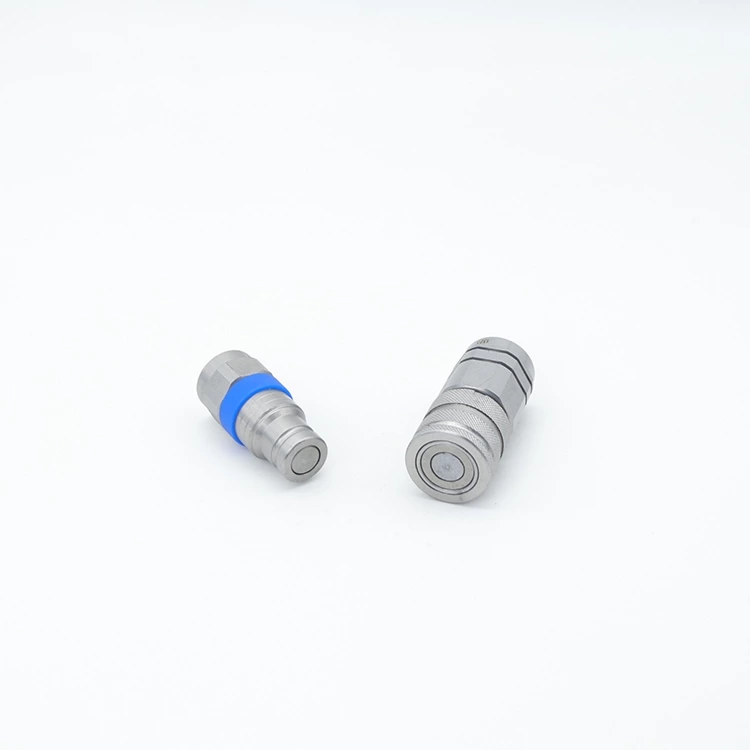
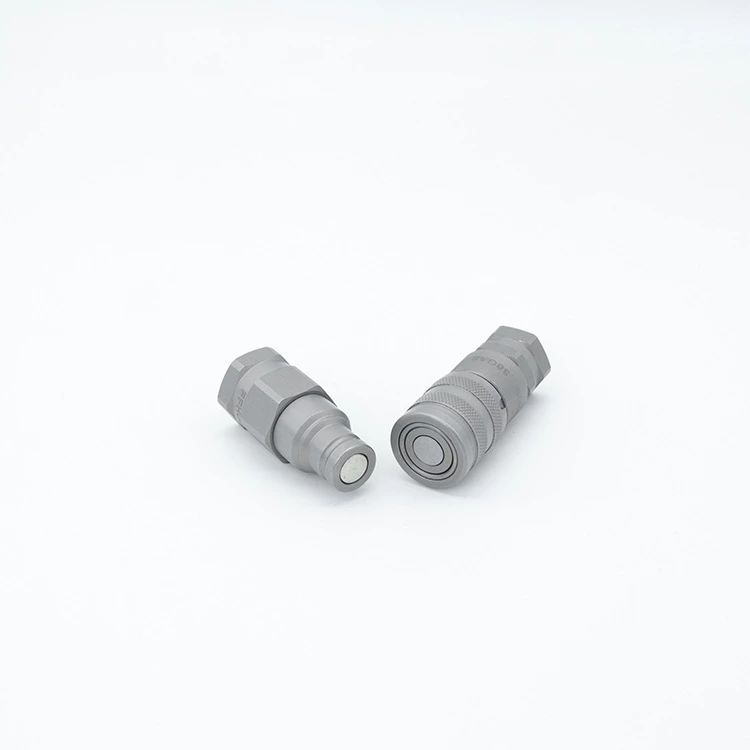
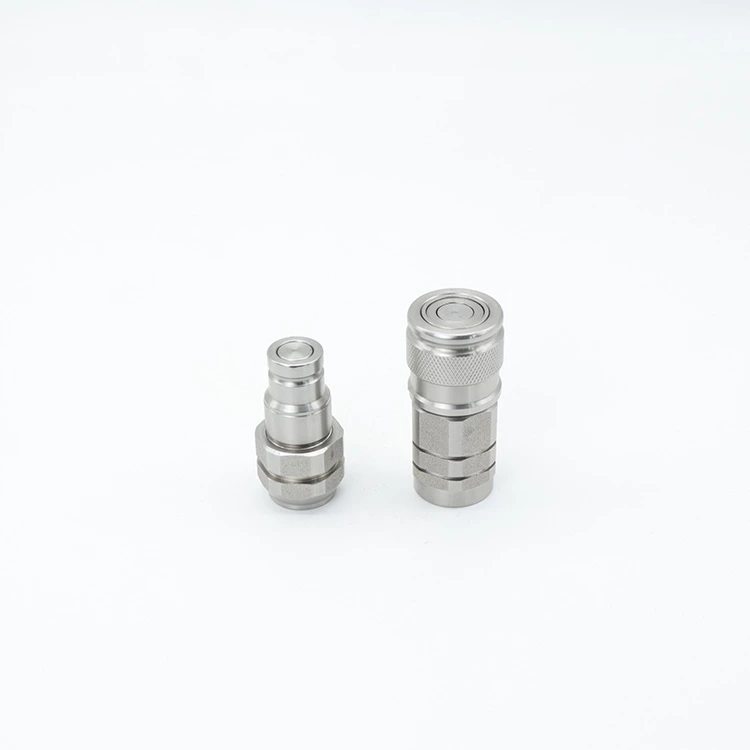
Test couplings are miniature quick-connect fittings designed to be installed at measurement ports on a machine. They feature a poppet or ball check valve that seals the system when the gauge is removed, eliminating fluid loss and contamination. Common thread options include BSP, NPT, JIC, ORFS, and metric — allowing the same gauge to read pressures on excavators, tractors, loaders, and industrial presses without adapter changes.
Test Hoses and Pressure Gauges
Test hoses are high-pressure flexible lines (typically rated 400–700 bar) that connect the test coupling to the gauge. They must be flexible enough to route around engine bays and panel spaces, yet robust enough to handle peak system surges. Glycerin-filled or dry pressure gauges are used depending on vibration environment: glycerin dampens pointer flutter on mobile equipment, while dry gauges are preferred for laboratory and indoor use.
Selection and Application
Choosing the right kit starts with the machine population. A service fleet supporting excavators and skid-steers needs metric, JIC, and ORFS coverage plus a high-range gauge (0–600 bar). A workshop handling injection molding machines and presses requires lower-range gauges (0–100 bar) with BSP and NPT coverage. Feiman offers both excavator-specific kits and free-fit universal kits with five gauges, multiple hoses, and a complete coupling/tee set.
Conclusion
Pressure test equipment is the unsung hero of hydraulic diagnostics — fast to deploy, easy to learn, and indispensable for troubleshooting. Feiman Fluid Technology supplies complete pressure test kits, individual test couplings, gauges, hoses, and end fittings in carbon steel, stainless steel, and brass to support OEM production lines, dealer service centers, and field maintenance crews worldwide.
About Feiman Fluid Technology
Hebei Feiman Machinery Parts Co., Ltd. manufactures quick release couplings, hydraulic valves, hydraulic connectors, pressure test equipment, and pipe clamps for global OEM and aftermarket customers. With ISO 9001:2000 quality management and a complete material catalog, Feiman delivers reliable port-to-port fluid power solutions backed by fast delivery and competitive pricing.
Contact: Tel: +86 15369362101 Email: director@feimanfluid.com / manager@feimanfluid.com Website: www.feimanfluid.com
Copyright belongs to Hebei Feiman Machinery Parts Co., Ltd. Please indicate the source when reproducing.