Quick Release Couplings: A Practical Guide to Types, Seals, and Selection
Quick Release Couplings: A Practical Guide to Types, Seals, and Selection
Quick release couplings, also known as quick couplers or quick connect fittings, are essential components in modern hydraulic and pneumatic systems. At Feiman Fluid Technology, our product range covers ISO 7241-A/B, flat face, threaded, and high-pressure quick couplings designed for construction machinery, agriculture, oil & gas, mining, and industrial equipment.
What Is a Quick Release Coupling?
A quick release coupling allows fast, tool-free connection and disconnection of fluid lines while minimizing leakage and preventing contamination. When disconnected, the internal valves close automatically to retain fluid and block dirt from entering the system.
Main Structural Types
Poppet valve couplings are the most common type. They use a spring-loaded valve that opens when connected and seals shut when disconnected. Poppet couplings are economical and suitable for general hydraulic applications with moderate flow requirements.
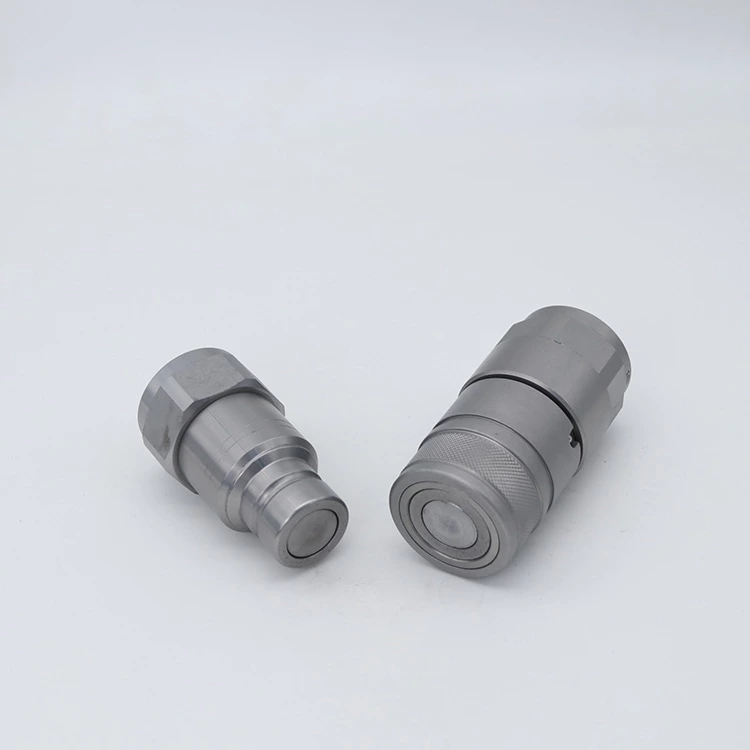
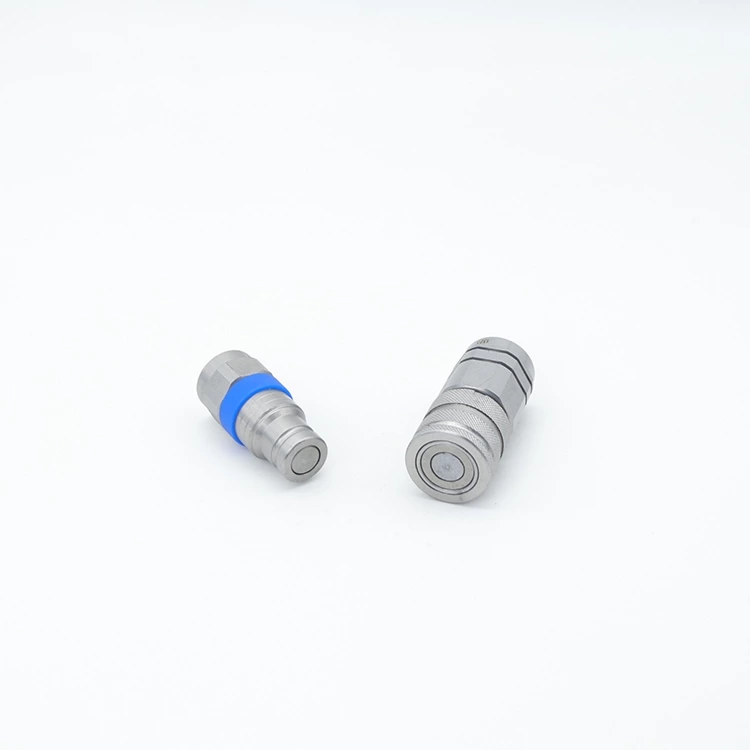
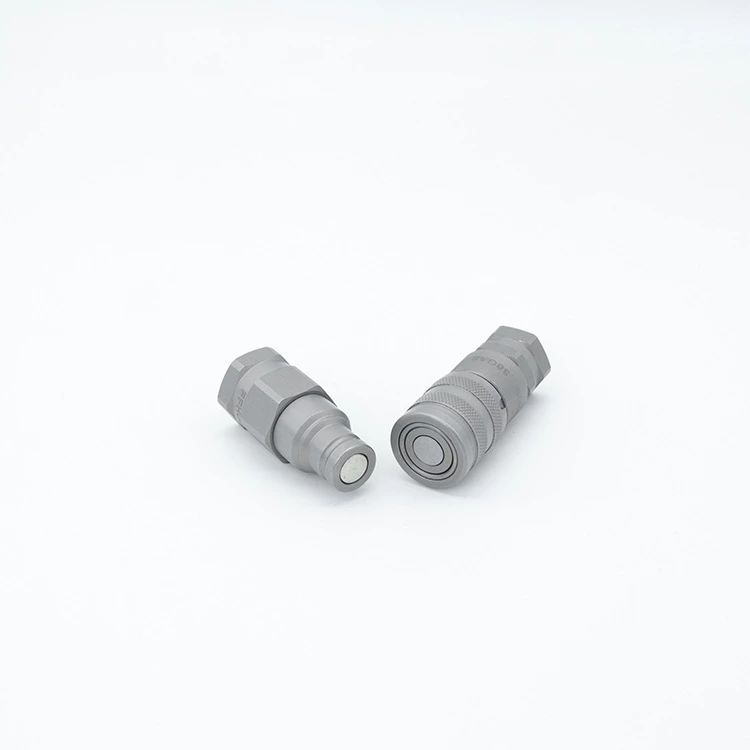
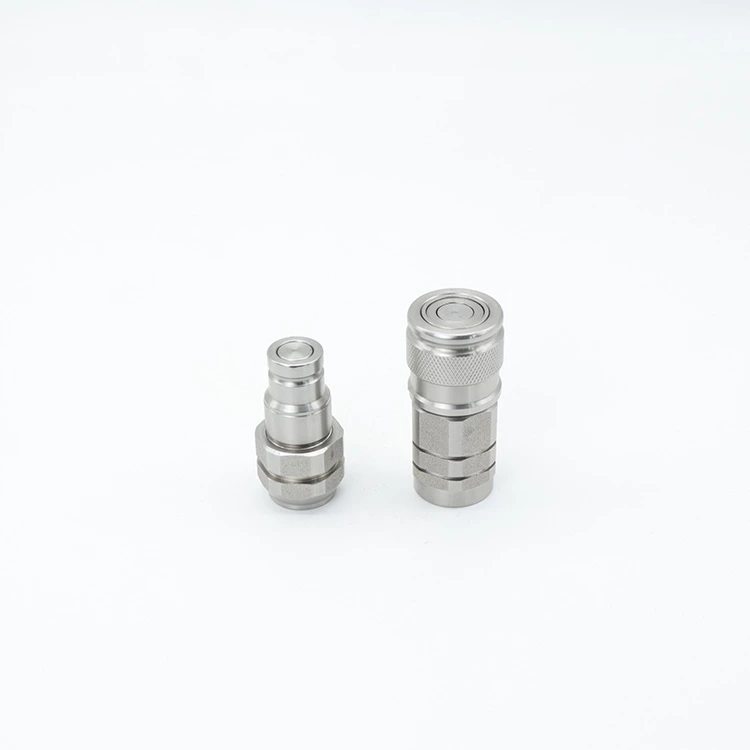
Flat face couplings feature a flush sealing surface on both halves. When disconnected, almost no fluid escapes, and no air enters the circuit. This design is ideal for construction machinery, forestry equipment, and any application where cleanliness and spill-free operation matter.
Ball valve couplings offer low flow resistance and higher flow capacity. They are often used in irrigation, water systems, and pneumatic tools where pressure loss must be minimized.
Thread-to-connect couplings provide extra safety under high pressure or impulse conditions. The sleeve must be threaded and locked before operation, preventing accidental disconnection.
Key Material Choices
Coupling bodies are typically made from carbon steel for standard hydraulic use, stainless steel for corrosion resistance in marine or chemical environments, and brass for lower-pressure pneumatic and water systems. Surface treatments such as zinc plating, zinc-nickel plating, or chrome plating improve corrosion resistance and wear life.
Seal Materials and Compatibility
Seals are critical to coupling performance. NBR (nitrile) seals work well with mineral oils and standard hydraulic fluids within -20°C to 100°C. FKM (Viton) handles higher temperatures and aggressive synthetic fluids. EPDM is suitable for water-based and phosphate ester fluids but should not be used with mineral oil. Polyurethane offers excellent abrasion resistance for pneumatic systems.
Selection Checklist
When choosing a quick coupling, consider working pressure, flow rate, fluid type, operating temperature, connection thread standard (BSP, NPT, ORFS, metric), and the required disconnect force. Always match the coupling series to the application duty cycle and safety requirements.
Conclusion
Understanding the basics of quick release couplings helps buyers and engineers make informed decisions. Feiman offers ISO-certified quick couplings in sizes from 03 to 50, with multiple seal and material options to match your hydraulic system needs.
For more information about Feiman quick release couplings, hydraulic fittings, and valves, visit www.feimanfluid.com or contact us at director@feimanfluid.com.