Fundamentals and Key Application Points of Hydraulic Quick Couplings
Published: July 27, 2026
Article Type: Product Knowledge
Keywords: Hydraulic Quick Coupling, Hydraulic Fitting, Hydraulic Valve, Fluid Connection Technology
1. What Is a Hydraulic Quick Coupling?
A hydraulic quick coupling—also known as a quick connect fitting or quick-release coupling—is a critical component in hydraulic systems used for rapidly connecting and disconnecting fluid lines. It enables tool-free connection and separation of piping systems while minimizing fluid leakage and air ingress.
In hydraulic systems, quick couplings not only improve equipment maintenance efficiency but also significantly reduce downtime caused by tool or attachment changes, making them an indispensable core component in modern industrial hydraulic systems.
2. Major Types of Hydraulic Quick Couplings
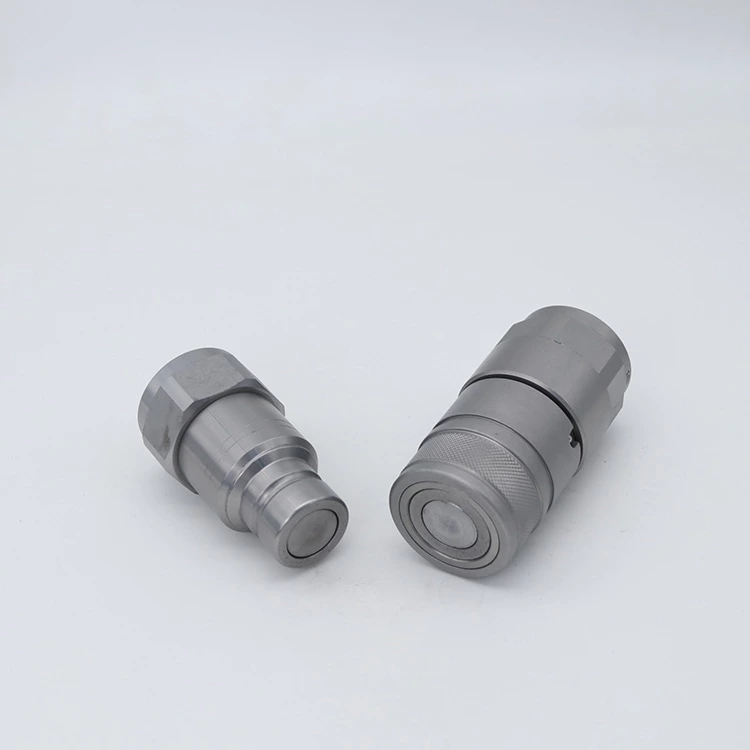
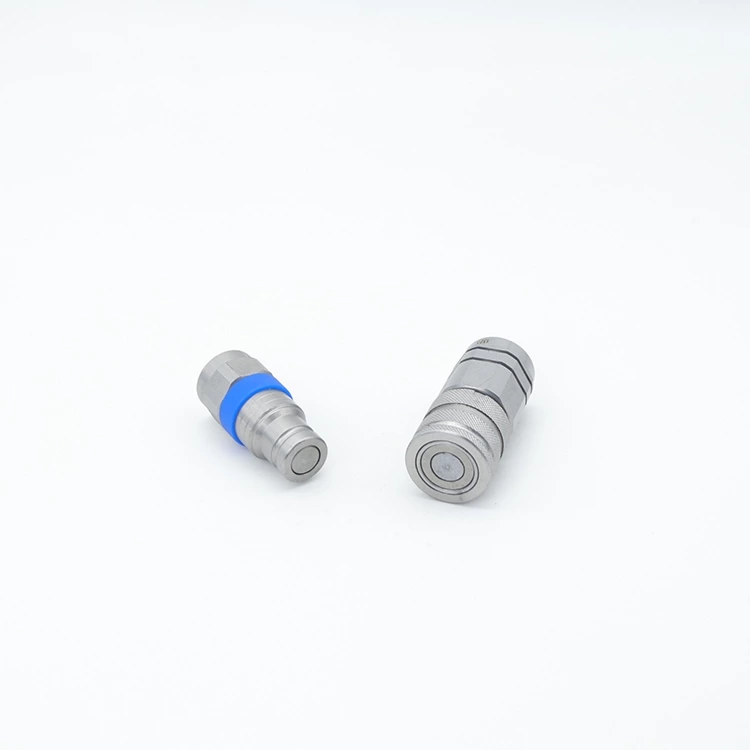
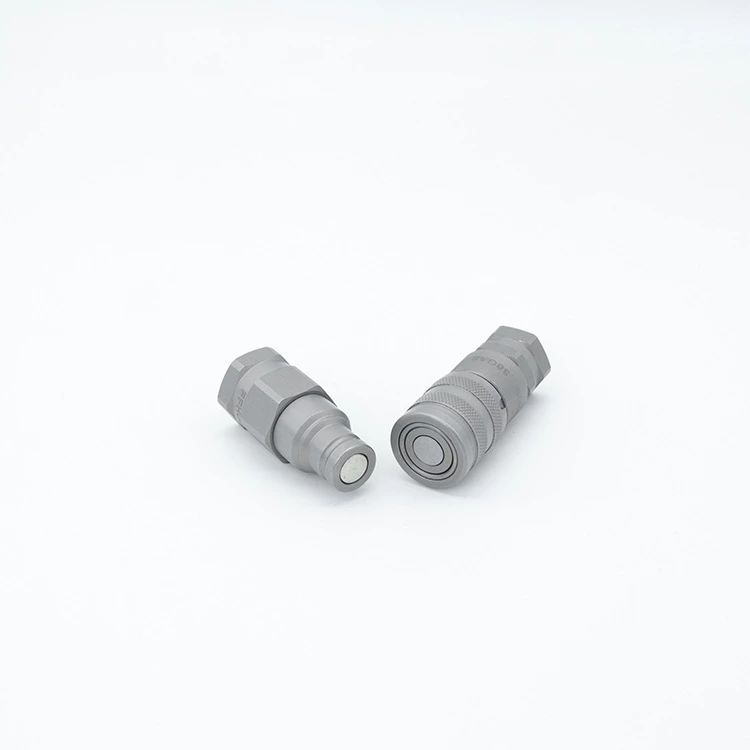
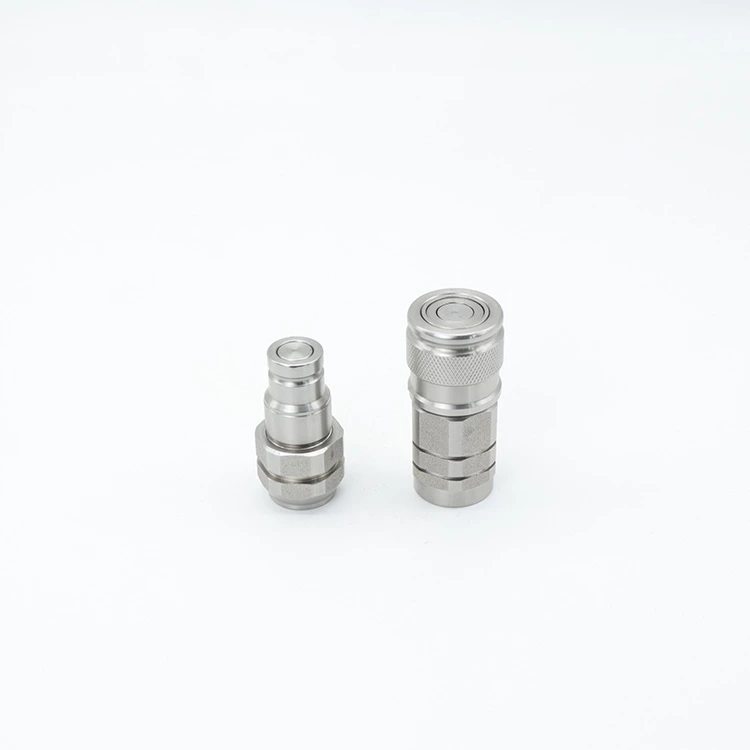
2.1 Flat Face Couplings
Flat face quick couplings feature a flush valve-face design that achieves extremely low fluid loss during connection and disconnection. Key characteristics include:
- Contamination-resistant design: The flat surface is easy to clean, effectively preventing dust and debris from entering the hydraulic system
- Low leakage: The valve cores on both ends mate tightly upon connection, achieving near-zero leakage
- Standard compatibility: Compliant with ISO 16028, interchangeable with Parker FE/FF series, Stucchi A8008 series, and other international brands
- High-pressure suitability: Suitable for high-pressure hydraulic systems, widely used in construction machinery and petroleum equipment
Typical applications: Quick-change systems for hydraulic attachments on excavators, loaders, rollers, and other construction machinery.
2.2 Screw (Thread-Locked) Couplings
Screw-type quick couplings achieve locking through threaded connection, making them suitable for ultra-high-pressure applications:
- Ultra-high pressure rating: Rated up to 10,000 PSI (approx. 700 bar), suitable for hydraulic jacks and other high-pressure equipment
- Safe and reliable: The threaded locking mechanism prevents accidental disconnection, ensuring connection safety
- Metal-to-metal seal: Employs a metal-to-metal sealing structure with excellent resistance to high-pressure extrusion
Typical applications: Portable hydraulic tools, hydraulic jacks, steel structure construction equipment, etc.
2.3 Standard Poppet/Ball Couplings
This is the most common type of quick coupling, utilizing a poppet or ball valve structure:
- Simple construction: Mature design with relatively low cost
- Broad applicability: Covers low-pressure to high-pressure application needs
- High interchangeability: Interchangeable with mainstream international brands such as Parker, Faster, and Stucchi
2.4 Multiple Quick Couplings
Multiple quick couplings can connect several lines simultaneously, dramatically improving operational efficiency:
- Centralized management: Multiple connections at once, reducing operational steps
- Mistake-proof design: Uses color coding or locating pins to prevent incorrect connections
- Space optimization: Compact structural design saves installation space
3. Core Materials for Hydraulic Quick Couplings
Material selection is a critical factor determining quick coupling performance and service life:
3.1 Carbon Steel
- Advantages: High strength, good pressure resistance, moderate cost
- Applications: General industrial hydraulic systems, medium-to-high pressure applications
- Surface treatment: Typically zinc-plated or chrome-plated to improve rust resistance
3.2 Stainless Steel
- Advantages: Excellent corrosion resistance, suitable for harsh environments
- Applications: Marine engineering, chemical equipment, food processing, and other applications requiring high corrosion protection
- Grades: Commonly uses 304 and 316 food-grade and marine-grade stainless steel
3.3 Brass
- Advantages: Good corrosion resistance and machinability, compatible with various media
- Applications: Medium-to-low pressure pneumatic systems, water circulation systems, general industrial applications
- Characteristics: Good compatibility with water, steam, air, and other media
4. Key Sealing Technologies for Quick Couplings
Sealing performance is the core metric for evaluating quick coupling quality:
4.1 Valve Core Seals
- NBR (Nitrile Butadiene Rubber): Excellent oil resistance, suitable for general hydraulic oil media, operating temperature -20°C to +100°C
- FKM (Fluorocarbon Rubber): High-temperature and corrosion-resistant, suitable for high-temperature and special media environments
- PTFE (Polytetrafluoroethylene): Excellent chemical resistance, suitable for demanding chemical environments
4.2 Interface Seals
- O-ring seal: The most common sealing form, simple and reliable in structure
- Metal hard seal: Suitable for ultra-high-pressure and high-temperature environments, no rubber aging issues
- Composite seal: Combines the advantages of multiple materials, providing comprehensive sealing protection
5. Thread Standards and Compatibility
The thread type of a hydraulic quick coupling directly affects its compatibility and application scope:
| Thread Type | Standard | Primary Regions | Characteristics |
|---|---|---|---|
| BSP | British Standard Pipe | Europe, Asia, Australia | 55° thread angle, reliable sealing |
| NPT | National Pipe Taper (US) | North America | 60° thread angle, strong self-sealing |
| Metric | ISO Metric Thread | Europe, China | International standard, high versatility |
| SAE | SAE Society of Automotive Engineers | North America, Global | Widely used in hydraulic systems |
| JIC | Joint Industrial Council | North America | 37° flare seal, suitable for high pressure |
Selection advice: When purchasing quick couplings, always confirm thread type compatibility with the existing system to avoid leakage or damage caused by thread mismatch.
6. Key Considerations for Selecting Hydraulic Quick Couplings
6.1 Confirm Working Pressure
Select the appropriate coupling rating based on the system's working pressure, ensuring the coupling's rated pressure exceeds the system's maximum working pressure with an adequate safety margin.
6.2 Consider Working Media
Different hydraulic oils, water, gases, and other media have different requirements for materials and seals; select corrosion-resistant materials and sealing materials accordingly.
6.3 Evaluate Environmental Factors
Temperature range, humidity, corrosive environments, vibration, and other factors all influence coupling selection.
6.4 Confirm Interchangeability Requirements
If interchangeability with existing equipment or international brand products is needed, select product series that comply with the relevant international standards.
6.5 Consider Flow Characteristics
The coupling's bore size and internal structure affect fluid flow resistance; oversized or undersized couplings will impact system efficiency.
7. Maintenance and Care Recommendations
- Regular inspection: Periodically check coupling appearance for damage, corrosion, or leakage signs
- Keep clean: Clean coupling faces before connection to prevent contaminants from entering the system
- Proper operation: Follow correct procedures for connection and disconnection; avoid forceful handling
- Dust protection: Use dust caps to protect unused couplings
- Regular seal replacement: Replace seals periodically based on usage frequency and environmental conditions
8. Product Advantages of Feiman Fluid Technology
As a specialized manufacturer in the hydraulic quick coupling field, Hebei Feiman Machinery Parts Co., Ltd. (Feiman Fluid Technology) offers the following core advantages:
- Comprehensive product line: Covers hydraulic quick couplings, pneumatic quick couplings, temperature-control quick couplings, hydraulic valves, pipe clamps, hose fittings, and other full-series products
- International standard compatibility: Products comply with ISO 16028 and other international standards, interchangeable with Parker, Stucchi, Eaton, and other international brands
- Strict quality control: ISO 9001:2000 certified quality management system ensures stable and reliable product quality
- Customization service: Supports OEM/ODM customization, providing special specification products per customer requirements
- Global presence: Products exported to the USA, EU, Australia, Canada, South Africa, and other countries and regions
- One-stop solution: From product design and manufacturing to logistics and delivery, providing full-process service support
Conclusion
As the "joints" of a hydraulic system, quick couplings directly impact the reliability and efficiency of the entire system. Selecting the right quick coupling products not only improves equipment operating efficiency but also reduces maintenance costs and extends system service life.
For more product information or professional technical support, please contact the Feiman Fluid Technology team.
About Feiman Fluid Technology
Hebei Feiman Machinery Parts Co., Ltd. was established in 2014 and is located in the Rubber and Plastic Pipe Industry Base, Jingxian, Hengshui, Hebei Province, China. It is a professional manufacturer focused on hydraulic and fluid power system solutions. The company's products are widely used in construction machinery, petrochemicals, metallurgy and mining, agricultural machinery, forestry equipment, and other fields, committed to providing high-quality hydraulic products and professional technical services to global customers.
Contact:
- Tel: +86 15369362101
- Email: director@feimanfluid.com / manager@feimanfluid.com
- Website: www.feimanfluid.com
Copyright belongs to Hebei Feiman Machinery Parts Co., Ltd. Please indicate the source when reproducing.