Hydraulic Connectors and Hose Fittings: A Technical Guide to Types, Thread Standards, and Selection
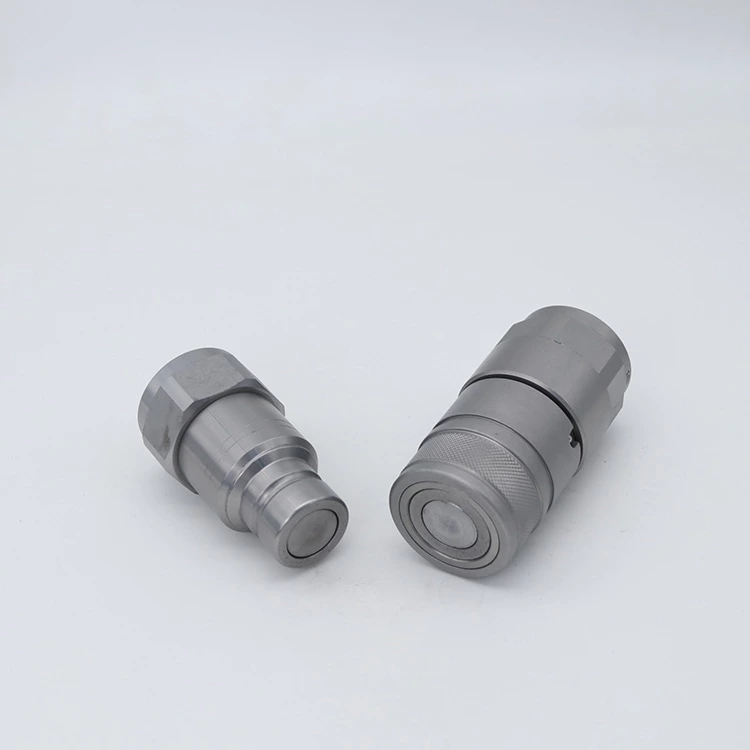
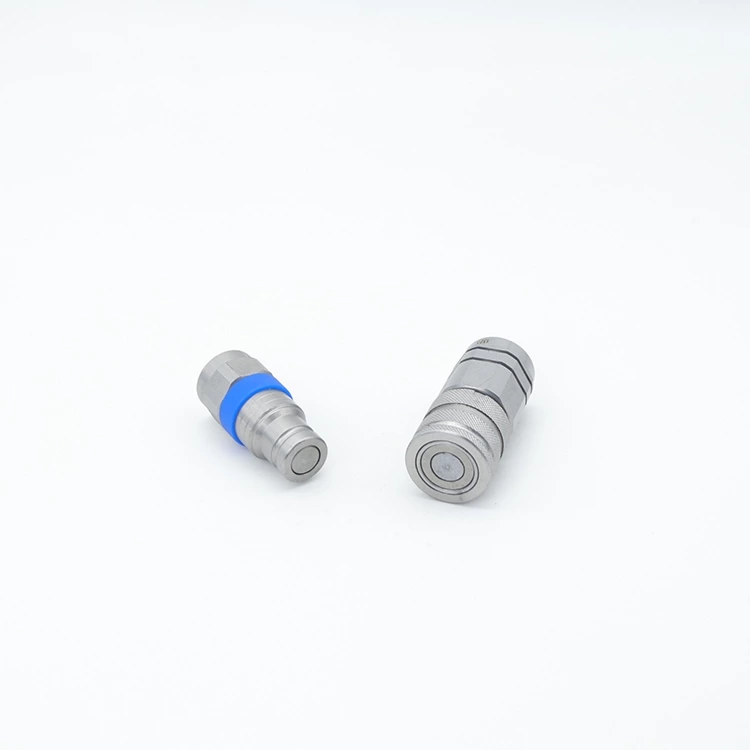
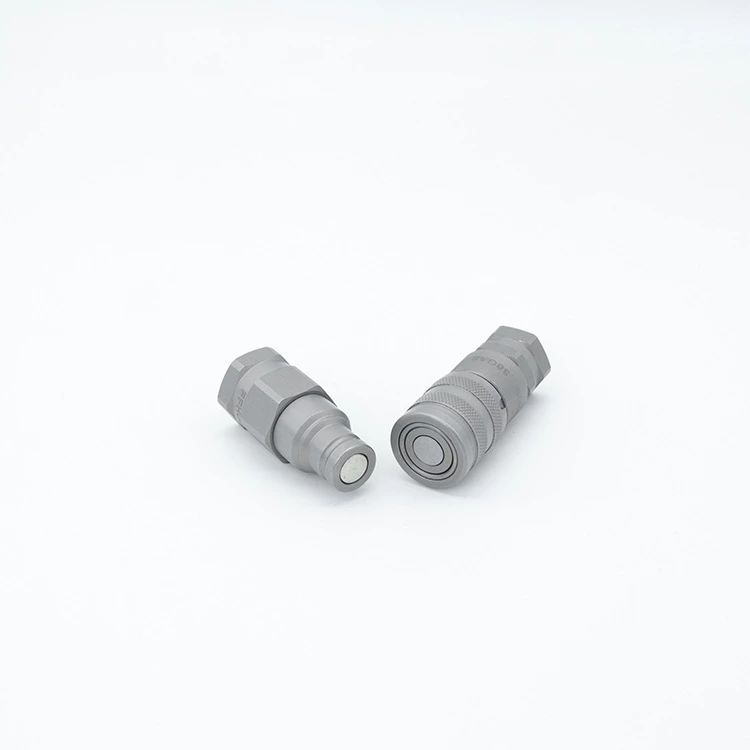
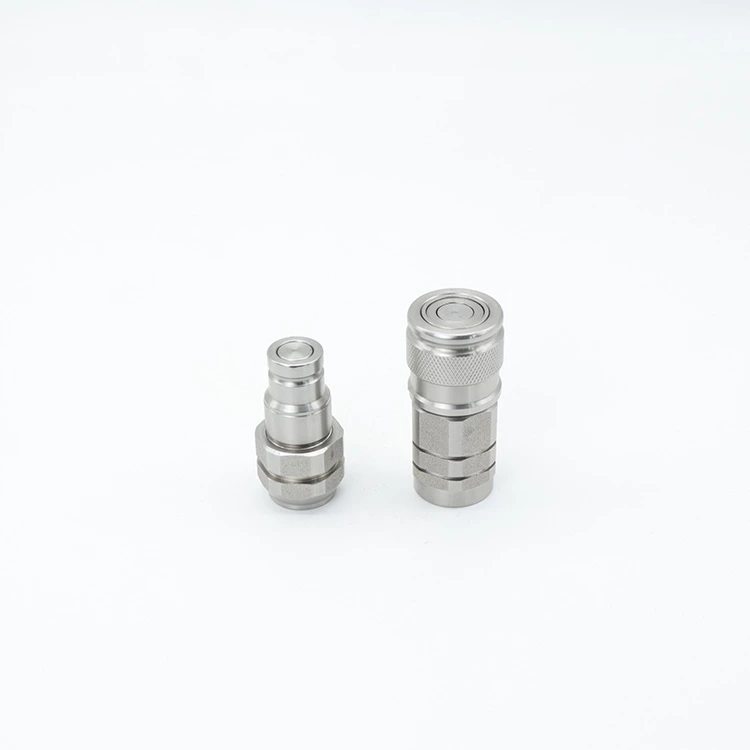
# Hydraulic Connectors and Hose Fittings: A Technical Guide to Types, Thread Standards, and Selection **Published:** August 10, 2026 **Article Type:** Product Knowledge **Keywords:** Hydraulic Connectors, Hose Fittings, BSP Thread, NPT Thread, JIC Fittings, ORFS Fittings, SAE Flange, Hydraulic Adapters, Feiman Connectors --- ## Introduction While hydraulic pumps, cylinders, and motors often receive the most attention in a fluid power system, the connectors, fittings, and adapters that join them together are equally critical. A hydraulic connector is the physical interface between hoses, tubes, and components. If the interface fails — through leakage, thread mismatch, improper assembly, or material incompatibility — the entire system loses pressure, efficiency, and reliability. At Feiman Fluid Technology, hydraulic connectors form one of our core product lines alongside quick release couplings and hydraulic valves. This article provides a structured technical overview of hydraulic connectors and hose fittings, covering the main types, global thread standards, end configurations, material selection, and practical selection guidelines for engineers, procurement professionals, and maintenance teams. --- ## 1. What Are Hydraulic Connectors? A **hydraulic connector** is a component used to join hydraulic hoses, tubes, pipes, or components together so that fluid can flow under pressure without leaking. The term covers a broad family of products: - **Hose fittings** — attached to the end of a hydraulic hose, usually by crimping - **Tube fittings** — used with rigid tubing, often with compression or flare seals - **Adapters** — used to transition between different thread types, sizes, or connection styles - **Flanges** — bolted connections for high-flow, high-vibration applications - **Quick couplings** — connect and disconnect rapidly without tools (covered in earlier articles) A properly selected connector must withstand the system's maximum pressure, resist corrosion from the operating environment, remain compatible with the hydraulic fluid, and tolerate the vibration, temperature, and mechanical loads of the application. --- ## 2. Main Types of Hydraulic Connectors Hydraulic connectors can be grouped by their function and construction. The following table summarizes the most common categories. | Connector Type | Construction | Typical Application | |----------------|--------------|---------------------| | **Hose fitting (crimp)** | One-piece or two-piece steel fitting permanently crimped onto hose | General hydraulics, mobile equipment, industrial machinery | | **Reusable hose fitting** | Threaded or clamped onto hose without crimping equipment | Field repair, remote locations, emergency maintenance | | **Push-on / push-lok fitting** | Barbed fitting pushed into low-pressure hose | Return lines, low-pressure circuits, pneumatics | | **Tube fitting / compression fitting** | Ferrule and nut compress onto tube outer diameter | Instrumentation, tight spaces, clean assemblies | | **Flared tube fitting (JIC / SAE)** | Tube end flared to 37° or 45°, sealed by metal-to-metal contact | High-pressure hydraulic lines, mobile equipment | | **O-ring face seal (ORFS)** | Flat face with O-ring groove, sealed by O-ring compression | Medium to high pressure, leak-free service | | **Threaded adapter** | Male or female threads on one or both ends | Transition between thread standards or sizes | | **SAE flange adapter** | Bolted flange per SAE J518 / ISO 6162 | High-flow lines, pumps, valves, cylinders | | **Banjo fitting** | Hollow bolt with spherical sealing face | Hydraulic brakes, compact installations | Understanding the difference between these types is the first step toward building reliable hydraulic plumbing. --- ## 3. Thread Standards and Compatibility One of the most common causes of hydraulic leaks and connection failures is **thread mismatch**. Hydraulic connectors are manufactured to several major international standards, and they are not interchangeable. The table below compares the most important thread families. | Thread Standard | Origin | Seal Method | Key Characteristics | Common Sizes | |-----------------|--------|-------------|---------------------|--------------| | **BSP (G) / BSPP** | British / ISO 228 | Washer, bonded seal, or O-ring | Parallel (straight) threads; seal occurs on face or via gasket | G1/8, G1/4, G3/8, G1/2, G3/4, G1 | | **BSPT (R)** | British / ISO 7/1 | Thread taper | Tapered threads; seal by thread deformation + thread sealant | R1/8, R1/4, R3/8, R1/2, R3/4, R1 | | **NPT / NPTF** | US / ANSI B1.20 | Tapered thread interference | 60° thread angle; widely used in North America | 1/8 NPT, 1/4 NPT, 3/8 NPT, 1/2 NPT | | **JIC (UN/UNF 37° flare)** | US / SAE J514 | 37° metal flare | Very common in mobile hydraulics; reusable, vibration-resistant | -4 (1/4"), -6 (3/8"), -8 (1/2"), -12 (3/4") | | **SAE O-ring boss (ORB)** | US / SAE J1926 | O-ring in chamfered port | Straight thread with O-ring seal; common in North American pumps/valves | -4, -6, -8, -10, -12, -16 | | **ORFS (O-ring face seal)** | US / SAE J1453 | O-ring on flat face | Excellent sealing reliability; widely used in construction equipment | -4, -6, -8, -10, -12, -16 | | **Metric parallel (M)** | ISO 261 / DIN 3852 | O-ring or bonded seal | Straight metric thread; common in European equipment | M10×1, M12×1.5, M14×1.5, M16×1.5, M22×1.5 | | **Metric taper (R series)** | ISO 7 equivalent | Tapered thread | Used in some European and Asian systems | Similar to BSPT sizing | | **SAE 4-bolt flange** | SAE J518 / ISO 6162 | O-ring or metal seal | Bolted flange for high flow/vibration; Code 61 and Code 62 | 1/2", 3/4", 1", 1-1/4", 1-1/2", 2" | ### 3.1 BSP vs. NPT: The Most Common Confusion **BSP (British Standard Pipe)** and **NPT (National Pipe Thread)** are the two most common thread families, but they are not compatible: - **Thread angle:** BSP uses a 55° thread angle; NPT uses 60°. - **Taper:** BSPP is parallel; BSPT is tapered. NPT is always tapered. - **Pitch:** For the same nominal size, BSP and NPT have different thread pitches. - **Seal location:** BSPP seals on the face or with a washer; NPT seals by thread interference. Attempting to mate a BSP male into an NPT female — even with thread sealant — will create a poor seal, gall the threads, and risk catastrophic failure under pressure. Always verify thread standard before installation. ### 3.2 JIC vs. ORFS Both JIC and ORFS are widely used in North American mobile hydraulics, but their sealing mechanisms differ: - **JIC** relies on a 37° metal-to-metal flare. It is reusable and tolerant of vibration, but the flare surface must be free of scratches and nicks. - **ORFS** uses an O-ring compressed between flat faces. It provides a more consistent, lower-leak seal and is preferred for applications demanding zero leakage or frequent assembly/disassembly. --- ## 4. Hose Fitting End Configurations Hose fittings are categorized by how they attach to the hose and by their connection end. The two main attachment methods are **crimp** and **reusable**. ### 4.1 Crimp Fittings Crimp fittings are the industry standard for high-pressure hydraulic hoses. A metal fitting is inserted into the hose end, and a hydraulic crimping machine compresses a metal ferrule around the hose cover, creating a permanent, high-strength bond. | Crimp Fitting Feature | Benefit | |-----------------------|---------| | Permanent attachment | Highest pressure rating and pull-off resistance | | Wide variety of end configurations | BSP, NPT, JIC, ORFS, SAE flange, metric | | Consistent quality when crimped correctly | Reliable in high-vibration mobile equipment | | Requires crimping machine and dies | Less suitable for field repair without equipment | Correct crimp diameter is critical. Under-crimping reduces pull-off strength and can cause leaks; over-crimping damages the hose reinforcement and weakens the assembly. ### 4.2 Reusable Fittings Reusable fittings screw or clamp onto the hose without a crimping machine. They are useful for field maintenance and emergency repairs but are generally rated for lower pressure than crimp fittings. | Reusable Fitting Feature | Benefit | |--------------------------|---------| | No crimping equipment needed | Ideal for remote sites and emergency repairs | | Can be disassembled and reused | Reduces spare parts inventory in some cases | | Lower pressure rating than crimp | Suitable for low- to medium-pressure lines | | More sensitive to assembly technique | Requires careful tightening to avoid leaks | ### 4.3 Push-On Fittings Push-on fittings are used with low-pressure push-lok hoses. The barbed fitting is pushed into the hose by hand or with light lubrication, and friction retains it. These are common in return lines, tank lines, and pneumatics, but they are not suitable for high-pressure applications. --- ## 5. Material Selection for Hydraulic Connectors Connector material must match the pressure, fluid, temperature, and environmental demands of the application. | Material | Common Grades | Advantages | Typical Applications | |----------|---------------|------------|---------------------| | **Carbon steel** | 45#, 20#, A105, C45 | High strength, cost-effective, widely available | General hydraulics, construction machinery, agriculture | | **Stainless steel** | 304, 316, 316L | Corrosion resistance, clean appearance, chemical compatibility | Marine, food, pharmaceutical, offshore | | **Brass / bronze** | CW617N, CuSn5Zn5Pb5 | Good machinability, non-sparking, corrosion resistant | Pneumatics, water, fuel, low-pressure hydraulics | | **Plated carbon steel** | Zinc, zinc-nickel, chrome | Improved corrosion resistance at lower cost than stainless | Outdoor equipment, mining, marine environments | ### 5.1 Surface Treatment Considerations - **Zinc plating:** Common and economical; provides 96–240 hours salt spray resistance depending on thickness. - **Zinc-nickel plating:** Superior corrosion resistance (500–1,000 hours salt spray); popular in automotive and marine applications. - **Chrome plating:** Hard, wear-resistant surface; used for high-wear components and certain decorative applications. - **Passivation:** Chemical treatment for stainless steel to restore corrosion resistance after machining. --- ## 6. Key Selection Parameters When specifying a hydraulic connector, engineers should evaluate the following parameters systematically. | Parameter | What It Means | Selection Guideline | |-----------|---------------|---------------------| | **Nominal size (DN / dash size)** | Hose or tube inner diameter | Match to hose or tube size; avoid mixing sizes without proper adapter | | **Maximum working pressure** | Highest continuous pressure | Connector pressure rating must equal or exceed hose/system rating with safety margin | | **Temperature range** | Ambient + fluid temperature | Verify seal and body material limits | | **Fluid compatibility** | Resistance to hydraulic medium | Match seal and body material to fluid type | | **Thread standard** | Type of threads on mating parts | Verify both ends; use adapters when transitioning | | **End configuration** | Crimp, reusable, push-on, flare, ORFS, flange | Match to hose type and assembly method | | **Vibration exposure** | Mechanical shaking and dynamic loads | Use ORFS, flange, or JIC for high-vibration areas | | **Corrosion environment** | Moisture, salt, chemicals | Specify stainless steel or appropriate plating | | **Assembly access** | Space available for tools | Use elbow, tee, or compact fittings where needed | | **Regulatory / certification requirements** | Industry-specific standards | Confirm compliance for marine, oil & gas, food, etc. | --- ## 7. Common Assembly and Installation Best Practices Even the highest-quality connector will fail if it is assembled incorrectly. The following practices help ensure leak-free, long-lasting hydraulic connections. ### 7.1 Hose Cutting and Preparation 1. **Cut squarely:** Use a hose cut-off saw to produce a clean, square end. A ragged or angled cut reduces crimp quality. 2. **Remove contamination:** Clean the hose bore to remove rubber particles and debris before inserting the fitting. 3. **Mark insertion depth:** Mark the hose cover at the correct insertion depth to verify the fitting is fully seated before crimping. ### 7.2 Thread Assembly 1. **Identify threads first:** Never force two threads together. Verify thread standard, size, and pitch. 2. **Lubricate O-rings:** Use system-compatible lubricant on O-rings to prevent damage during assembly. 3. **Avoid over-tightening:** Over-tightening can crack bodies, distort O-rings, and gall threads. Follow manufacturer torque values. 4. **Use backup wrenches:** When tightening an adapter into a port, use a second wrench on the adapter body to avoid transmitting torque to the port. 5. **Do not mix thread sealants on O-ring fittings:** O-ring boss and ORFS fittings seal on the O-ring, not the threads. Thread sealant is unnecessary and can contaminate the system. ### 7.3 Routing and Support - Avoid sharp bends that exceed the hose minimum bend radius. - Use clamps or brackets to prevent hoses from rubbing against structure or other hoses. - Allow enough slack to accommodate movement and vibration without pulling on fittings. - Protect hoses from heat sources, abrasion, and UV exposure where necessary. --- ## 8. Feiman Hydraulic Connector Series Feiman Fluid Technology supplies a comprehensive range of hydraulic connectors and adapters designed for compatibility with major international standards. Our connector portfolio includes: | Product Line | Description | Standards / Interchange | |--------------|-------------|-------------------------| | **Hydraulic hose fittings** | Crimp and reusable fittings for one- and two-wire braid hoses | BSP, NPT, JIC, ORFS, metric, SAE flange | | **Hydraulic adapters** | Male-to-male, male-to-female, reducer, elbow, tee, cross, bulkhead | BSP/BSPT, NPT, JIC, ORFS, metric, SAE | | **SAE flange adapters** | Code 61 and Code 62 flange connections for pumps, valves, cylinders | SAE J518, ISO 6162 | | **Hydraulic hose assemblies** | Custom-cut, crimped, and tested hose assemblies per customer specification | ISO 1436, ISO 11237 | | **Pipe clamps** | Stauff-compatible clamping systems for tube and hose support | DIN 3015 | ### Why Source Connectors from Feiman? - **Broad standard coverage:** BSP, NPT, JIC, ORFS, metric, and SAE flange in one catalog. - **Interchangeability:** Compatible with Parker, Eaton, Stauff, and other major brands. - **Custom manufacturing:** Non-standard sizes, special materials, and private labeling available. - **Quality assurance:** ISO 9001:2000 certified production with material traceability and pressure testing. - **One-stop supply:** Connectors, hoses, couplings, valves, clamps, and test equipment from a single supplier. --- ## 9. Common Mistakes in Connector Selection (And How to Avoid Them) | Mistake | Consequence | Prevention | |---------|-------------|------------| | **Mixing BSP and NPT threads** | Cross-threading, leaks, damaged ports | Always identify thread standard with a thread gauge | | **Under-crimping hose fittings** | Hose blow-off under pressure | Use correct die set and verify crimp diameter | | **Ignoring minimum bend radius** | Hose fatigue, kinking, early failure | Route hoses with proper support and radius | | **Wrong seal material** | O-ring swelling, hardening, leakage | Match seal to fluid and temperature | | **Over-tightening ORFS fittings** | Crushed O-ring, cracked body | Tighten to manufacturer torque specification | | **Using push-on fittings on high-pressure lines** | Fitting blow-off, injury risk | Limit push-on fittings to low-pressure return lines | --- ## Conclusion Hydraulic connectors may appear simple, but their correct selection and assembly are fundamental to system safety and performance. From thread standard identification to material choice, crimp quality, and routing, every detail affects the reliability of the final assembly. Feiman Fluid Technology offers a full range of hydraulic connectors, adapters, hose fittings, and related components backed by ISO-certified quality control and experienced application support. Whether you need standard adapters for inventory or custom hose assemblies for a specific machine, our team can help you specify the right connection solution. For connector selection support, technical drawings, or sample requests, please contact the Feiman technical team. --- **About Feiman Fluid Technology** Hebei Feiman Machinery Parts Co., Ltd. was established in 2014 and is located in the Rubber and Plastic Pipe Industry Base, Jingxian, Hengshui, Hebei Province, China. It is a professional manufacturer focused on hydraulic and fluid power system solutions. The company's product portfolio includes quick release couplings, hydraulic valves, hydraulic connectors, pipe clamps, and pressure test equipment, serving construction machinery, petrochemicals, metallurgy and mining, agricultural machinery, marine engineering, and new energy equipment industries globally. **Contact:** - Tel: +86 15369362101 - Email: director@feimanfluid.com / manager@feimanfluid.com - Website: www.feimanfluid.com --- *Copyright belongs to Hebei Feiman Machinery Parts Co., Ltd. Please indicate the source when reproducing.*